Nestimate · The American Home2010The Modern Farmhouse
If 2005 was the party, 2010 was the hangover. There was no new architectural style in 2010 — there was abandonment. The nation was buried under a mountain of foreclosures, brand-new subdivisions sat half-built and empty, and the exurban mega-tracts that developers had thrown up during the bubble became America’s newest ghost towns. The most important buildings of 2010 aren’t distinguished by their design; they’re distinguished by their vacancy — and by the entirely new kind of buyer who quietly showed up to scoop them all up. Here are the six landmarks of the crash.
1. Lehigh Acres, Florida
Ground Zero. No place embodies the crash better than Lehigh Acres, a vast grid of cheap, hastily built houses east of Fort Myers that became the poster child of the foreclosure crisis. During the boom, anyone who could sign a mortgage was handed the keys to a brand-new home here; when the bubble burst, entire blocks emptied out, with only one or two occupied houses per street. Abandoned homes were stripped, squatted, and in some cases turned into drug labs, while bank-owned lots that had sold for hundreds of thousands were auctioned for tens of thousands. The aerial photography of its endless, half-empty street grid is the single most iconic image of the American crash.
By formulanone – https://www.flickr.com/photos/30552029@N00/50981150016/, CC BY-SA 2.0, https://commons.wikimedia.org/w/index.php?curid=149712528
2. Mountain House, California
The Most Underwater Town in America. Sixty miles east of San Francisco sat a brand-new master-planned community that earned a grim national title: the most underwater town in the country, where the highest share of homeowners in America owed more on their mortgages than their houses were worth. Planned for 14,000 homes and 44,000 residents, Mountain House in 2010 was handsome four- and five-bedroom houses ringed by empty lots and ranch land — a town of tomorrow that arrived at exactly the wrong moment. It became the textbook example of negative equity, the trap that kept a generation of owners frozen in place.
3. Victorville, California (The Inland Empire)
The Bulldozed Houses. Out in the Mojave, in the sun-blasted exurbs of the Inland Empire, the crash produced its most surreal image. A developer in Victorville had planned a 16-home subdivision but managed to finish only four before buyers vanished and the bank repossessed the site. Rather than pay the city’s fines on the unfinished development, the bank simply bulldozed the four brand-new, roughly $300,000 houses to the dirt while stunned neighbors watched. Perfectly good, never-lived-in homes, demolished — the purest possible symbol of a market that had built far more than anyone could ever buy.
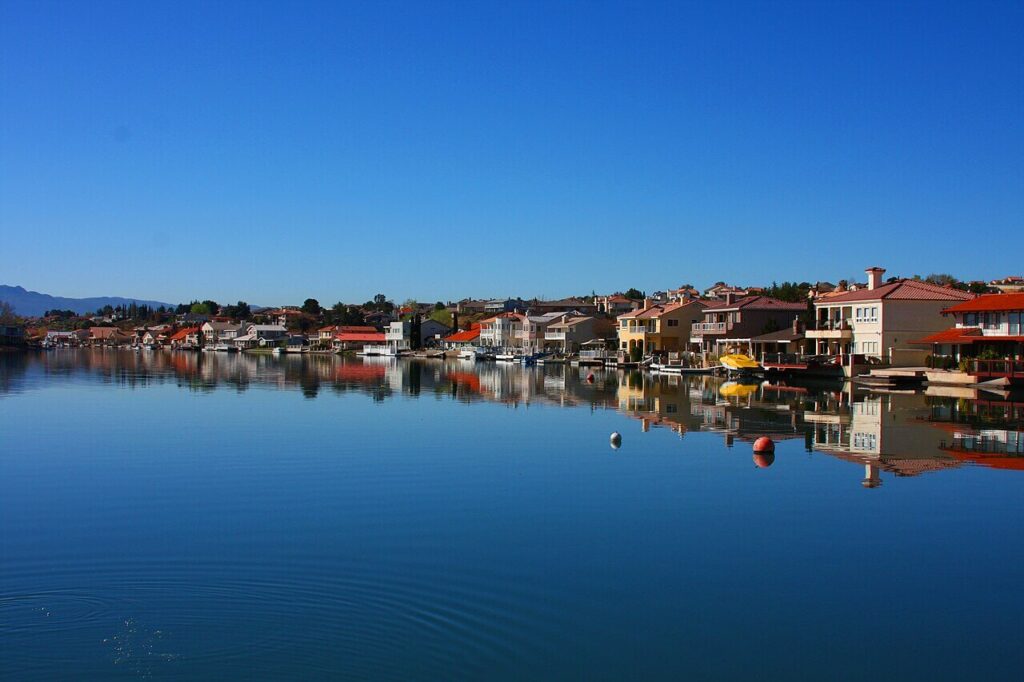
By Thomas from USA – Spring Valley LakeUploaded by shoulder-synth, CC BY 2.0, https://commons.wikimedia.org/w/index.php?curid=9024968
4. Las Vegas, Nevada
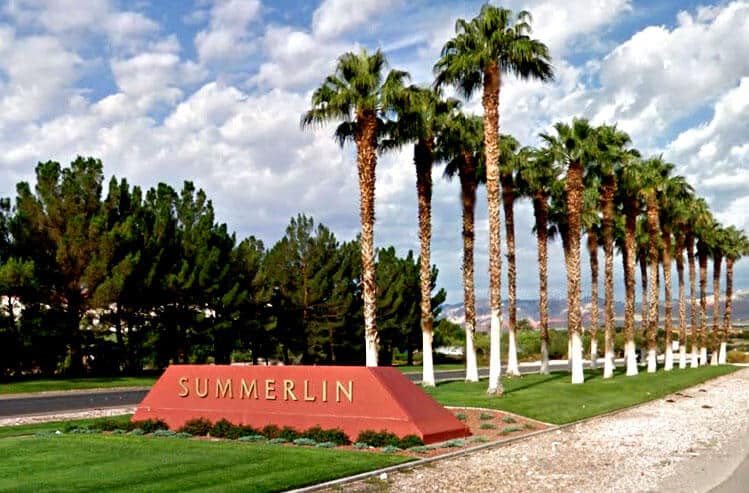
The Foreclosure Capital. For years running, Nevada posted the highest foreclosure rate in the nation, and Las Vegas was its beating, broken heart. The desert boomtown had paved endless master-planned suburbs of red-tile stucco homes on the promise of infinite growth, and when the music stopped, whole neighborhoods on the city’s edges tipped into foreclosure at once. Green lawns turned brown, “bank owned” signs multiplied, and the city became the definitive case study in Sunbelt speculative overbuilding meeting the wall.
By Rsilva13 – Own work, CC BY-SA 4.0, https://commons.wikimedia.org/w/index.php?curid=48562003
5. The Miami Condo Glut, Florida
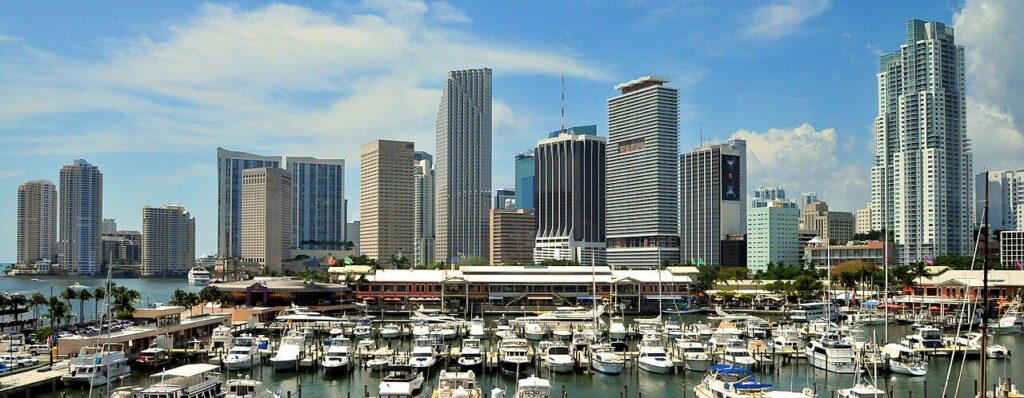
The See-Through Towers. Florida’s crash had a vertical version, too. Along Miami’s skyline, developers had raced to throw up glass condominium towers for buyers who never closed, leaving whole high-rises standing empty — “see-through buildings” lit by no one, with speculative units trading for a fraction of their pre-crash prices. Where Lehigh Acres was the horizontal ghost town, downtown Miami was the vertical one: a forest of brand-new towers waiting years for residents to fill them.
By Mike McBey – Miami, CC BY 2.0, https://commons.wikimedia.org/w/index.php?curid=99894499
6. The Wall Street Landlord Is Born
The Buyer in the Rubble. The most consequential landmark of 2010 isn’t a place — it’s a transaction. As millions of foreclosed single-family homes flooded the market at fire-sale prices, large investment firms realized they could buy them by the thousand, all at once, and rent them out. Within a couple of years this had a name and a scale: Wall Street had become America’s newest landlord, converting the wreckage of the ownership crash into a permanent rental portfolio. Every “build-to-rent” subdivision you’ll read about in the 2025 chapter traces directly back to this moment — the instant the crash stopped being a tragedy and started being an asset class.